


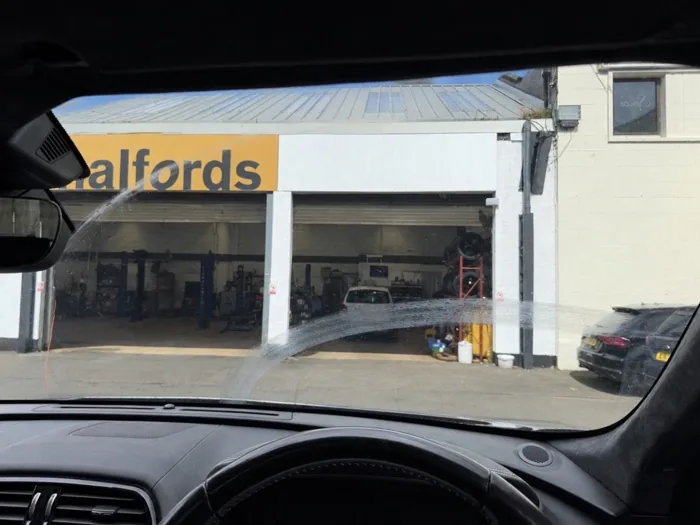
 Before
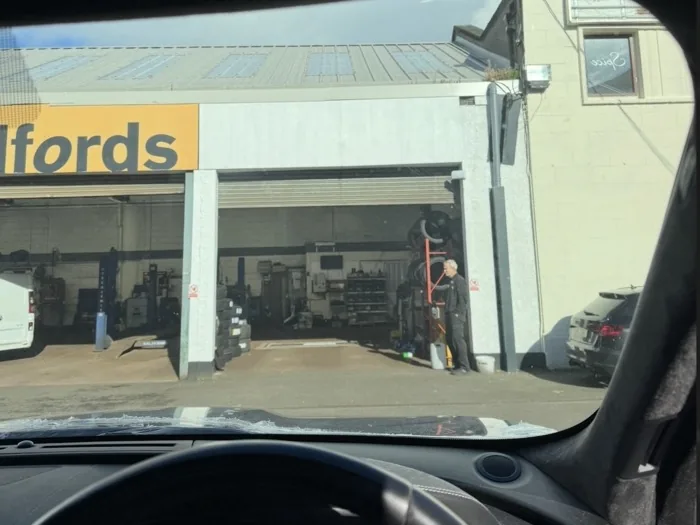 After
After
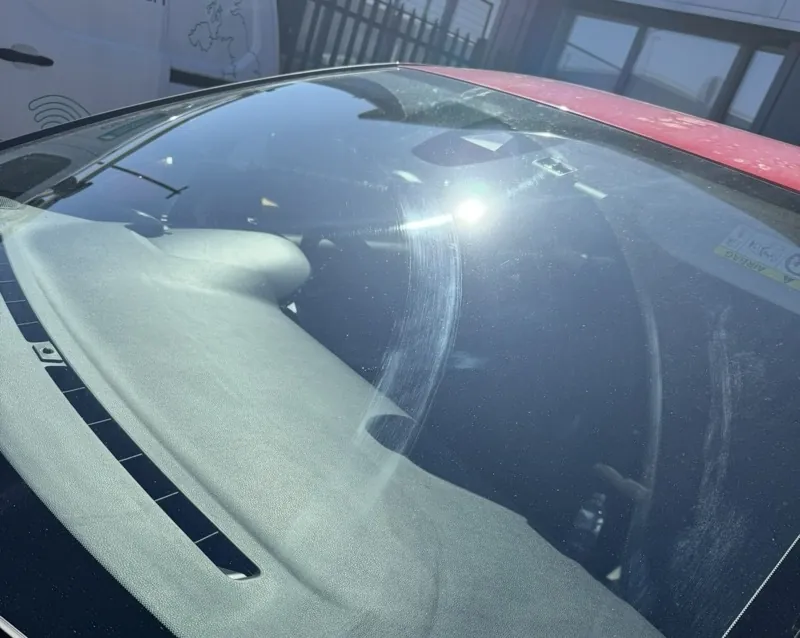
Scratched or heavily worn windscreen? Replacement is not the default solution.
Professional windscreen restoration can remove scratches and restore clarity to glass affected by years of surface wear, helping preserve the original windscreen, factory installation and visibility.
Professional mobile windscreen restoration typically starts from £220
Specialist on-site service - restoring the original glass without replacement.
Final price depends on damage and location.
– Wiper Scratches: Circular or arc-shaped scratches caused by worn blades, damaged wiper arms or debris trapped between the blade and glass.
– Cleaning Scratches: Fine or deeper scratches caused by abrasive contamination being dragged across the glass during cleaning.
– Accidental Surface Scratches: Damage caused by scraping, tools or other contact with the glass surface.
– Multiple Surface Marks: Where scratching extends over a wider section of the windscreen, restoration may be carried out across the affected area rather than treating individual scratches.
In simple terms, we can restore almost any type of surface damage as long as the windscreen remains structurally sound. Cracks and severe or previously repaired chips require separate assessment.
Wiper scratches are one of the most common types of windscreen damage we assess.
When debris becomes trapped beneath a wiper blade, repeated movement can produce visible arcs across the glass, particularly within the driver's field of vision.
These marks can be removed through controlled windscreen polishing, with the restoration approach tailored to the extent and location of the damage.
The wiper blades should be replaced before or immediately after restoration to avoid marking the restored surface again.
The restoration process removes only a very small, controlled amount of material from the outer surface of the glass. This is negligible in relation to the overall thickness of the windscreen and does not compromise its structural integrity when carried out correctly.
The structural role of a windscreen should not be confused with the effect of controlled surface polishing — these are two different considerations.
The main technical risks of incorrect polishing are uncontrolled removal of the damaged glass surface, heat build-up and optical distortion. This is why windscreen restoration should be carried out using specialist equipment, professional-grade abrasives and carefully controlled polishing techniques.
Each restoration is assessed and controlled throughout the process to preserve optical clarity and achieve the best possible result based on the condition of the glass.
– Within the driver's direct line of sight — where marks are often most visible at certain sun or headlight angles.
– Along the arc of the wiper blades — where repeated contact is most common.
– Near the base of the windscreen — close to the wiper spindles and cowl.
– Across the passenger side — often linked to grit trapped in washer fluid or cleaning residue.
Marks in these areas do not automatically require windscreen replacement. Where the glass remains structurally sound, restoration is the appropriate first option to consider.
Yes. Scratches caused by wiper damage, cleaning, accidental contact, keying or deliberate vandalism, as well as general surface wear, can be removed through professional windscreen restoration while preserving the original glass.
The process restores the damaged surface in controlled stages to maintain optical clarity and achieve the best possible result based on the condition of the windscreen.
Where the glass remains structurally sound, restoration should be considered before replacement.
No.
A surface scratch is fundamentally different from impact damage such as a chip or crack. Scratches affect the outer surface of the glass and, where the windscreen remains structurally sound, can be removed through professional restoration without replacing the windscreen.
Chips and cracks involve a different type of damage and require separate assessment or repair. Their presence does not automatically mean that the windscreen must be replaced, but they should not be treated in the same way as surface scratches.
For a structurally sound windscreen affected by scratches, wiper marks or surface wear, restoration is the appropriate option to consider before replacement.
1. Photo Assessment — Photos of the damage, vehicle details and location are reviewed in advance so we can confirm the restoration requirements and provide a quotation.
2. On-Site Inspection & Preparation — The windscreen and surrounding area are inspected before work begins. The vehicle is prepared and adjacent surfaces are protected as required.
3. Controlled Surface Restoration — The damaged area is restored through carefully controlled polishing stages using specialist equipment and professional-grade abrasives. The process is adjusted throughout the work to maintain an even glass surface and manage heat.
4. Optical Refinement & Inspection — The restored area is progressively refined and checked from different viewing angles and under changing light conditions to preserve optical clarity and achieve the best possible result.
5. Final Clean & Handover — The windscreen is thoroughly cleaned, the completed restoration is inspected, and the result is reviewed before the vehicle is handed back.
Where the glass remains structurally sound, restoration allows the original factory-fitted windscreen to remain in place.
Replacing a windscreen involves removing the original glass and disturbing the factory bonding, seals and components fitted around or through the windscreen. Depending on the vehicle, replacement may also involve:
– New bonding and refitting of the windscreen
– Removal and refitting of trims, covers, mirrors and sensors
– Camera or ADAS recalibration on equipped vehicles
– Potential fitting-related issues such as wind noise or water ingress
– Problems with rain sensors or other windscreen-mounted systems if components are not correctly refitted or calibrated
– Potential issues with heating elements, electrical connections, sensors or other windscreen-mounted components during removal and refitting
– Insurance claims, excess charges and additional appointments
– Unnecessary replacement where the existing glass is otherwise structurally sound
Restoration keeps the original windscreen, factory bonding, seals and integrated components in place, avoiding the additional fitting and recalibration work that comes with replacement.
Windscreen restoration starts from £220, including the specialist mobile call-out and restoration service.
The exact price is confirmed in your quotation before the appointment. Once quoted, the agreed price for that windscreen will not increase — even if the restoration requires more time or work than initially expected.
Full windscreen replacement in the UK commonly costs several hundred pounds and can be significantly more expensive on vehicles fitted with cameras, sensors, heating or ADAS systems. In many cases, restoration can reduce the cost by around half or more while also preserving the original factory-fitted glass.
The quotation takes into account the affected area, overall condition of the windscreen, vehicle location and travel requirements. It covers the specialist call-out, preparation and the restoration work required for the quoted windscreen. Most cases can be assessed accurately from photographs before booking.
Real windscreen restoration cases completed by Absolute Glass Care.
Before
After
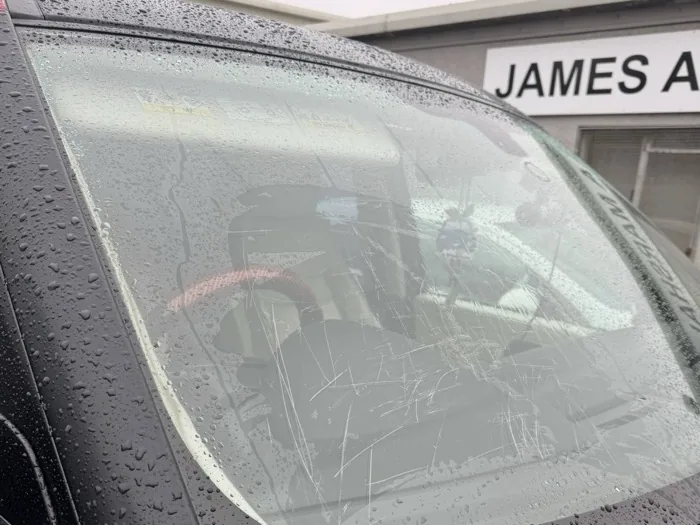 Before
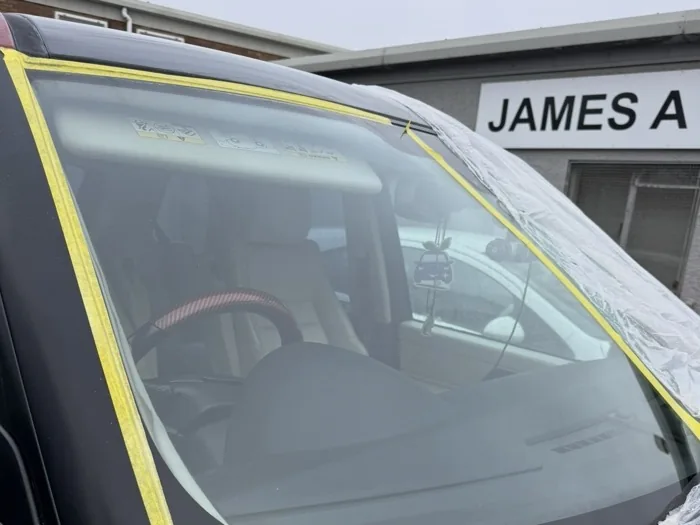 After
After
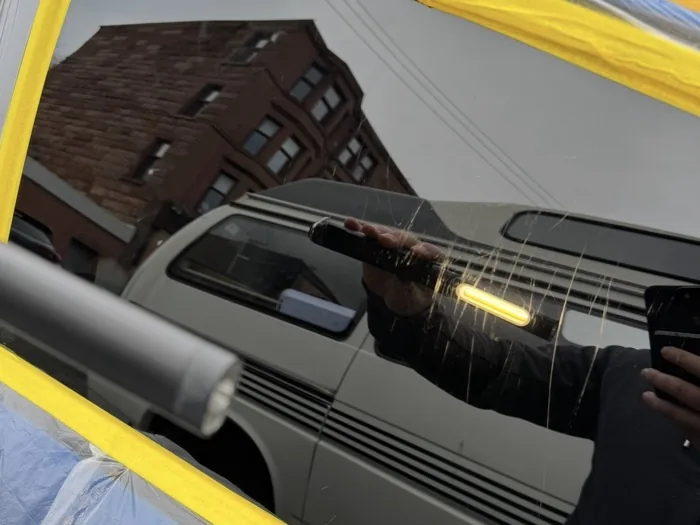 Before
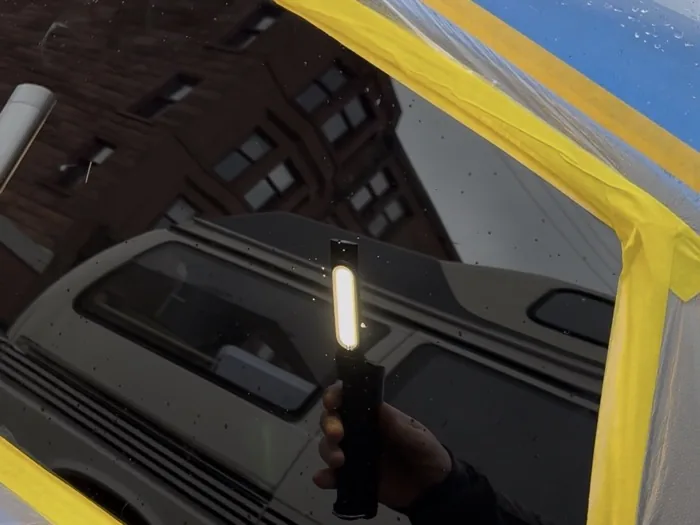 After
After
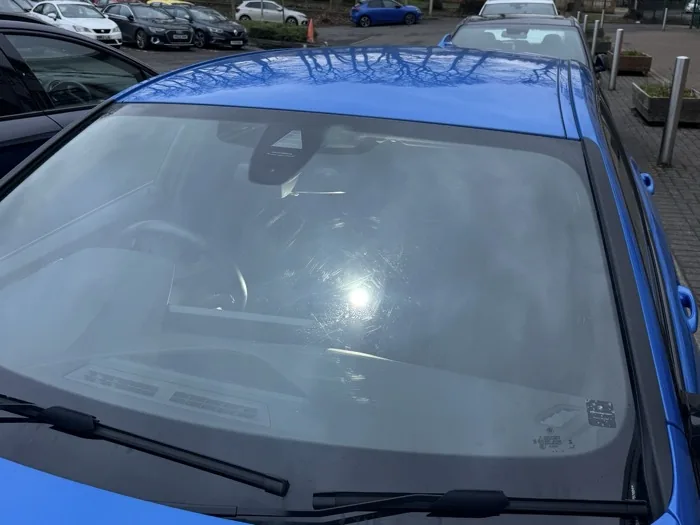 Before
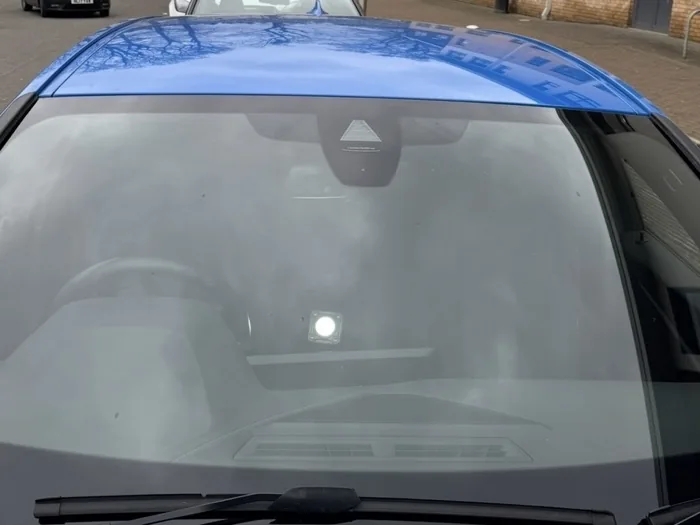 After
After
Windscreen scratch restoration is typically completed within 1–3 hours, including full-surface restoration where required.
Each windscreen is restored using controlled polishing techniques to achieve the best possible result while preserving the original glass.
Where the windscreen remains structurally sound, restoration should be considered before replacement. Replacement is primarily required where the glass has suffered cracking or significant structural damage.
Yes. Deep surface scratches can be removed through professional windscreen restoration where the glass remains structurally sound. The restoration process is adapted to the condition and extent of the damaged area.
Yes. Scratches within the driver's field of vision can be restored using carefully controlled polishing techniques designed to preserve optical clarity.
The objective is to remove the visible damage and restore optical clarity. Each restoration is carried out to achieve the best possible result based on the condition of the glass.
Professional windscreen restoration is specifically controlled to preserve optical clarity. Distortion is associated with incorrect or uncontrolled polishing, which is why specialist equipment, professional-grade abrasives and controlled techniques are essential.
Yes. Wiper-arc scratches can be removed through controlled windscreen polishing, with the restoration approach adapted to the extent and location of the damage.
Yes. Damaged or contaminated wiper blades should be replaced before restoration, or immediately afterwards, to prevent the restored surface from being marked again.
Replacement is primarily appropriate where the windscreen has suffered cracking or significant structural damage. Surface scratches, wiper marks and general wear on an otherwise structurally sound windscreen should be considered for restoration before replacement.
Send us photos of the damage together with your vehicle registration and postcode. We can assess the windscreen remotely in most cases and provide a quotation before booking.
 Messege Us